

Long-Term Effects of a Collarbone That Does Not Heal Properly
Understanding Whole-Body Consequences and Chronic Pain
A broken collarbone (clavicle fracture) is a common injury. While many fractures heal with appropriate alignment, some heal incorrectly (malunion) or incompletely (nonunion). When this occurs, the consequences can extend well beyond the collarbone itself, affecting posture, movement, nerve function, and pain patterns throughout the body over the long term.
This article reviews the systemic and chronic effects of a collarbone that does not heal properly, with a focus on pain mechanisms, functional limitations, and secondary musculoskeletal strain.
What It Means When a Collarbone “Does Not Heal Right”
A clavicle fracture may heal abnormally in two main ways:
- Malunion – the bone heals in a shortened, angled, or rotated position
- Nonunion – the bone fails to fully heal, leaving persistent instability
Even relatively small changes in clavicle length or alignment can disrupt the mechanics of the shoulder girdle and upper body.
Why the Collarbone Matters Biomechanically
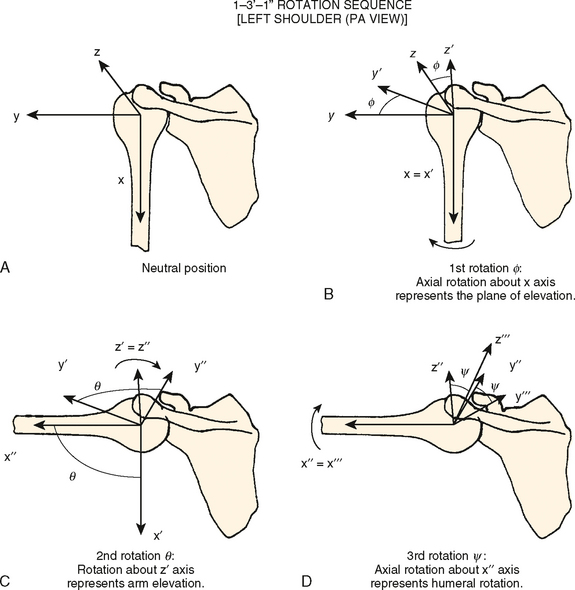

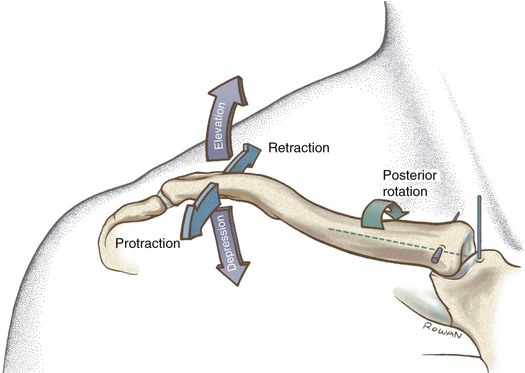
The clavicle acts as a structural strut between the sternum (chest) and scapula (shoulder blade). Its position influences:
- Shoulder height and symmetry
- Scapular movement (scapulothoracic rhythm)
- Arm strength and range of motion
- Load transfer between the arm and torso
When the clavicle heals incorrectly, these relationships are altered, often permanently.
Local and Regional Effects
1. Chronic Shoulder Pain and Weakness
Malunion can change the leverage of shoulder muscles, leading to:
- Persistent shoulder pain, especially with overhead activity
- Reduced strength and endurance
- Early fatigue of the rotator cuff and deltoid muscles
2. Scapular Dyskinesis
Abnormal clavicle alignment can impair normal shoulder blade motion, causing:
- Burning or aching pain along the upper back
- Clicking or grinding sensations with movement
- Compensatory muscle overuse
Nerve and Vascular Irritation
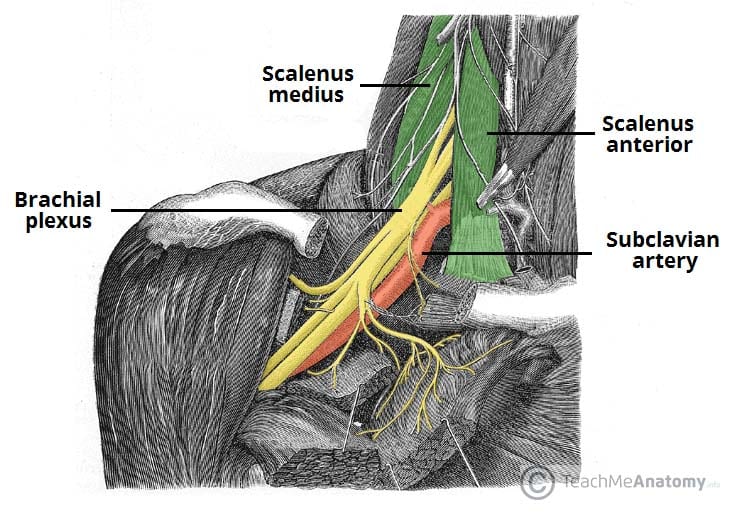
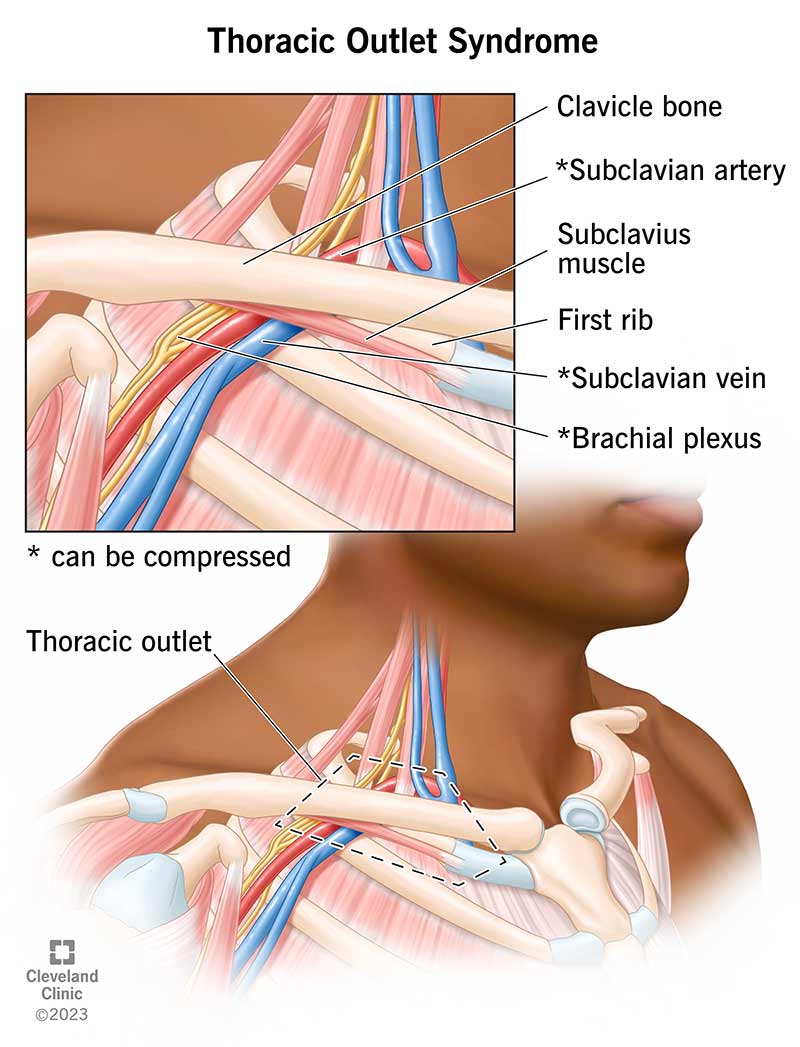
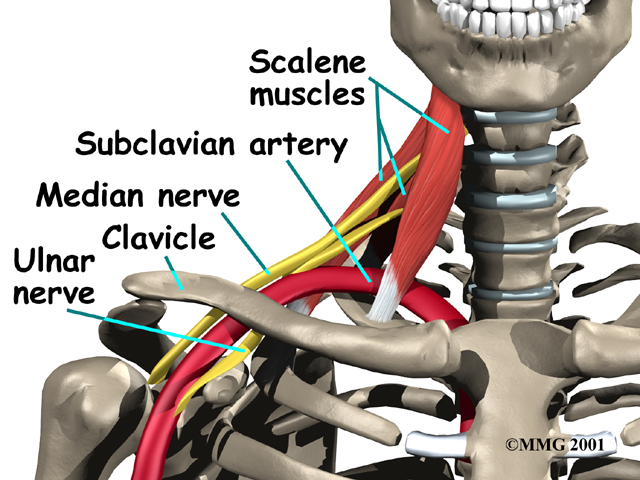
The clavicle sits directly above critical nerves and blood vessels. Malalignment or excessive callus formation may contribute to:
- Tingling or numbness in the arm or hand
- Radiating pain into the neck, shoulder, or upper limb
- Symptoms resembling thoracic outlet syndrome
These effects may worsen with posture changes or prolonged arm use.
Neck, Spine, and Postural Consequences
1. Cervical Spine Strain
Uneven shoulder height and altered mechanics can lead to:
- Chronic neck stiffness or headaches
- Increased cervical muscle tension
- Accelerated degenerative changes over time
2. Thoracic and Upper Back Pain
Compensation patterns may cause:
- Mid-back discomfort or muscle spasms
- Asymmetrical rib cage motion during breathing
- Reduced tolerance for prolonged sitting or standing
Whole-Body Compensation and Pain Patterns
Over months or years, the body adapts to altered mechanics by redistributing load. This may contribute to:
- Opposite-side shoulder pain from overuse
- Lower back discomfort due to spinal asymmetry
- Reduced exercise tolerance and deconditioning
Chronic pain can become centralized, meaning the nervous system becomes more sensitive even when tissue damage is stable.
Psychological and Quality-of-Life Impact
Persistent pain and functional limitation may be associated with:
- Sleep disturbance
- Reduced occupational or recreational participation
- Increased stress, frustration, or fear of movement
These factors can amplify pain perception and prolong disability if not addressed holistically.
Who Is at Higher Risk for Long-Term Problems?
Individuals may be at greater risk if they have:
- Significant clavicle shortening or angulation
- Physically demanding occupations or sports
- Delayed diagnosis or limited rehabilitation
- Pre-existing neck, shoulder, or nerve conditions
Management Considerations (Non-Directive)
Long-term management often focuses on:
- Targeted physical therapy to restore movement patterns
- Postural retraining and load management
- Pain education and graded activity exposure
In select cases, surgical evaluation may be considered, particularly when neurological symptoms or severe functional impairment persist. Decisions should always be individualized and guided by a qualified healthcare professional.
Bottom-Line Clinical Perspective
A collarbone that does not heal properly can affect far more than the fracture site. Long-term consequences may involve the shoulder, neck, nerves, spine, and overall movement efficiency. Chronic pain often arises not from the bone alone, but from biomechanical imbalance and nervous system sensitization over time.
Early recognition, appropriate rehabilitation, and whole-body assessment are key to reducing long-term impact and improving quality of life.
Medical Disclaimer
The information provided by Relief Nexus Health is for educational purposes only and is not intended to replace professional medical advice, diagnosis, or treatment. Always consult a qualified healthcare provider regarding any medical condition or treatment decision.