Understanding Chronic Pain: Evidence-Based Paths to Safer Relief

4
Introduction
Chronic pain affects millions of people worldwide and is one of the most common reasons individuals seek ongoing medical care. Unlike acute pain, which serves as a protective warning signal, chronic pain persists beyond normal healing timelines and can significantly impact physical function, mental health, and quality of life.
At Relief Nexus Health, our goal is to provide clinically informed, evidence-based education to help individuals better understand chronic pain and evaluate safer, non-invasive management options.
What Is Chronic Pain?
Chronic pain is typically defined as pain lasting longer than three months, even after the initial injury or condition has resolved. Common categories include:
- Musculoskeletal pain (back, neck, joints)
- Neuropathic pain (nerve-related pain)
- Inflammatory pain (arthritis and autoimmune conditions)
- Post-surgical or post-injury pain
- Centralized pain conditions (e.g., fibromyalgia)
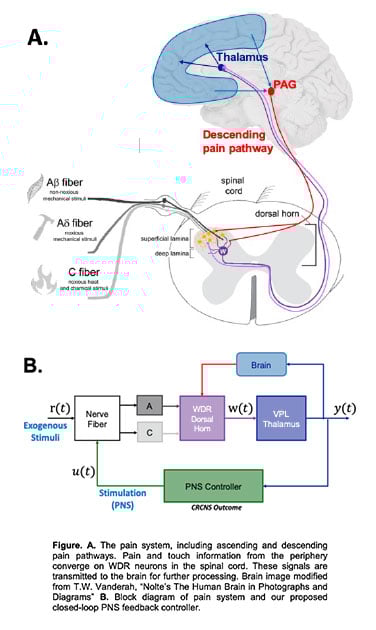
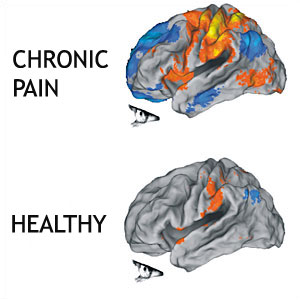
In many cases, chronic pain is influenced by changes in how the nervous system processes pain signals rather than ongoing tissue damage alone.
Why Chronic Pain Can Persist
Research suggests that chronic pain may involve:
- Peripheral sensitization – heightened sensitivity at the site of injury
- Central sensitization – amplified pain processing in the brain and spinal cord
- Neuroplastic changes – long-term changes in pain pathways
- Psychological and environmental factors – stress, sleep disruption, and mood disorders
Understanding these mechanisms is critical when evaluating treatment options, as approaches that target only symptoms may provide limited or temporary relief.
Evidence-Based Non-Invasive Approaches
Clinical guidelines increasingly support multimodal, non-invasive strategies for chronic pain management, including:
- Physical therapy and guided exercise
- Education-based pain neuroscience approaches
- Behavioral and cognitive therapies
- Neuromodulation and therapeutic devices
- Lifestyle interventions (sleep, stress management, activity pacing)
No single approach works for everyone. Outcomes often improve when strategies are combined and tailored to individual needs.
Evaluating Pain Relief Products and Devices
With the growth of at-home pain relief devices and wellness products, it is important to evaluate claims carefully. When reviewing products, Relief Nexus Health focuses on:
- Plausible biological mechanisms
- Quality and limitations of available evidence
- Safety considerations and contraindications
- Appropriate use cases and realistic expectations
Products should complement — not replace — professional medical guidance.
A Balanced Path Forward
Chronic pain management is rarely about finding a single “solution.” Instead, it involves:
- Understanding pain mechanisms
- Setting realistic goals focused on function and quality of life
- Using evidence-based tools thoughtfully
- Maintaining open communication with healthcare professionals
Education plays a key role in empowering safer, more informed decisions.
What You’ll Find on Relief Nexus Health
- Evidence-based explanations of pain relief strategies
- Independent reviews of non-invasive devices and programs
- Clear discussion of benefits, limitations, and safety
- Clinically neutral guidance free from hype or pressure
Our content is designed to support informed decision-making — not marketing trends.
Medical Disclaimer:
The information provided by Relief Nexus Health is for educational purposes only and is not intended to replace professional medical advice, diagnosis, or treatment. Always consult a qualified healthcare provider regarding any medical condition or treatment decision.